Dingle History Single Event
1639 Charles I`s Irish parliament in 1639
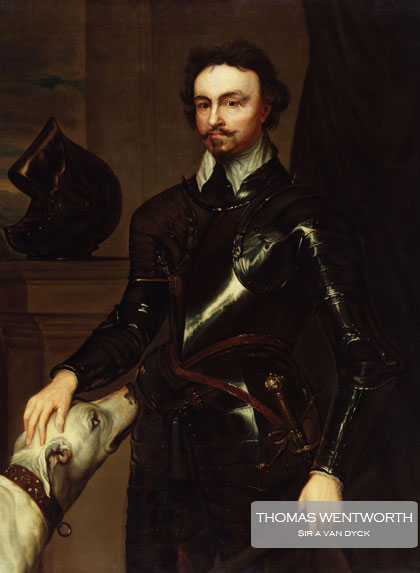
Dingle`s representatives in Charles I`s Irish parliament as engineered by Lord Deputy Thomas Wentworth in 1639 Christopher Roper and George Blundel, a baronet, represented Dingle in parliament. They were not members of the local patriciate and it seems that they were foisted upon the corporation as `official candidates` by Lord Deputy Sir Thomas Wentworth, who worked to pack the Irish parliament with a loyalist party upon whose guaranteed support he could depend to force through absolutist policies. It was part of his long term strategy, dating back to 1633, to `bow and govern the native by the planter and the planter by the native` in the Irish parliament.

View in English

View in English

View in English

View in English

View in English

View in English

View in English

View in English

View in English

View in English

View in English

View in English

View in English

View in English

View in English

View in English

View in English

View in English

View in English

View in English

View in English

View in English

View in English

View in English

View in English

View in English

View in Irish

View in Irish

View in Irish

View in Irish

View in Irish

View in Irish

View in Irish

View in Irish

View in Irish

View in Irish

View in Irish

View in Irish

View in Irish

View in Irish

View in Irish

View in Irish

View in Irish

View in Irish

View in Irish

View in Irish

View in Irish

View in Irish

View in Irish

View in Irish

View in Irish

View in Irish

View in Irish

View in Irish

View in Irish

View in Irish

View in Irish

View in Irish

View in Irish

View in Irish

View in Irish

View in Irish

View in Irish

View in Irish

View in Irish

View in Irish

View in Irish

View in Irish

View in Irish

View in Irish

View in Irish

View in Irish

View in Irish

View in Irish

View in Irish

View in Irish

View in Irish

View in Irish

View in Irish

View in Irish

View in Irish

View in Irish

View in Irish

View in Irish

View in Irish

View in Irish

View in Irish

View in Irish

View in Irish

View in Irish

View in Irish

View in Irish

View in Irish

View in Irish

View in Irish

View in Irish

View in Irish

View in Irish

View in Irish

View in Irish

View in Irish

View in Irish

View in Irish

View in English

View in Irish

View in Irish

View in Irish

View in English

View in English

View in English

View in English

View in English

View in English

View in English

View in English

View in English

View in English

View in English

View in English

View in English

View in English

View in English

View in English

View in English

View in English

View in English

View in English

View in English

View in English

View in English

View in English

View in English

View in English

View in English

View in English

View in English

View in English

View in English

View in English

View in English

View in English

View in English

View in English

View in English

View in English

View in English

View in English

View in English

View in English

View in English

View in English

View in English

View in English

View in English

View in English

View in English

View in English

View in English

View in English

View in English

View in English

View in English

View in English

View in English

View in English

View in English

View in English

View in English

View in English

View in English

View in English

View in Irish

View in Irish

View in Irish

View in Irish

View in Irish

Historian:
Dr. Declan M. Downey

Jack McKenna Dingle (Killarney, 1985, reprinted 1995), p. 34; Charles Smith, The Ancient and Present State of the County of Kerry, (Dublin,1747, photographic reproduction of the original, Cork 1969, reprinted Cork 1979), pp. 160-1; Hugh Kearney, Strafford in Ireland 1633-41. A Study in Absolutism, (Manchester, 1959, republished Cambridge, 1989) pp. 42-4, 185-98.