Dingle History Single Event
1670 Dec Privateering activity
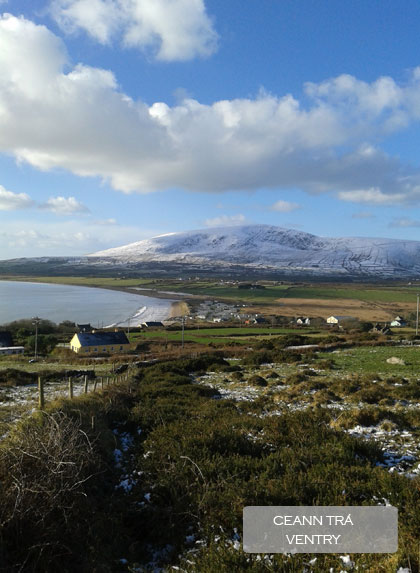
Privateering activity in Ventry and local assistance for privateers in Dingle A Dutch merchantman was seized by the Mayo-born pirate, Francis Bodkin, in Ventry harbour. Bodkin had taken the precaution of obtaining Letters of Marque from the Spanish government to disguise his activities as a privateer, thereby legitimising his raids as reprisals on shipping belonging to Spain`s enemies. However, his previous raid upon a North American colonial cargo ship laden with Virginia tobacco off Innisboffin, in which he had the crew thrown overboard, had broken the terms of his privateering. When Bodkin and his crew arrived in Dingle to re-supply, they were arrested, but he and all but nine of his crew escaped from Dingle gaol before being indicted. Local assistance was suspected. The Earl of Essex reported to Arlington (Charles II`s secretary of state), on 30 September 1673, that merchants in Dingle and in Sligo were paying subsidies to Bodkin. It is not clear if this was protection money or contracts taken out against rival merchants.

View in English

View in English

View in English

View in English

View in English

View in English

View in English

View in English

View in English

View in English

View in English

View in English

View in English

View in English

View in English

View in English

View in English

View in English

View in English

View in English

View in English

View in English

View in English

View in English

View in English

View in English

View in Irish

View in Irish

View in Irish

View in Irish

View in Irish

View in Irish

View in Irish

View in Irish

View in Irish

View in Irish

View in Irish

View in Irish

View in Irish

View in Irish

View in Irish

View in Irish

View in Irish

View in Irish

View in Irish

View in Irish

View in Irish

View in Irish

View in Irish

View in Irish

View in Irish

View in Irish

View in Irish

View in Irish

View in Irish

View in Irish

View in Irish

View in Irish

View in Irish

View in Irish

View in Irish

View in Irish

View in Irish

View in Irish

View in Irish

View in Irish

View in Irish

View in Irish

View in Irish

View in Irish

View in Irish

View in Irish

View in Irish

View in Irish

View in Irish

View in Irish

View in Irish

View in Irish

View in Irish

View in Irish

View in Irish

View in Irish

View in Irish

View in Irish

View in Irish

View in Irish

View in Irish

View in Irish

View in Irish

View in Irish

View in Irish

View in Irish

View in Irish

View in Irish

View in Irish

View in Irish

View in Irish

View in Irish

View in Irish

View in Irish

View in Irish

View in Irish

View in Irish

View in English

View in Irish

View in Irish

View in Irish

View in English

View in English

View in English

View in English

View in English

View in English

View in English

View in English

View in English

View in English

View in English

View in English

View in English

View in English

View in English

View in English

View in English

View in English

View in English

View in English

View in English

View in English

View in English

View in English

View in English

View in English

View in English

View in English

View in English

View in English

View in English

View in English

View in English

View in English

View in English

View in English

View in English

View in English

View in English

View in English

View in English

View in English

View in English

View in English

View in English

View in English

View in English

View in English

View in English

View in English

View in English

View in English

View in English

View in English

View in English

View in English

View in English

View in English

View in English

View in English

View in English

View in English

View in English

View in English

View in Irish

View in Irish

View in Irish

View in Irish

View in Irish

Historian:
Dr. Declan M. Downey

London, Kew, The National Archives, Public Records Office, SP 63/329, f. 286, Report of Robert Southwell, Judge of the Irish Court of Admiralty, 10 Dec 1670, and SP 63/334, f.155, Earl of Essex to Secretary of State Arlington, 30 Sept, 1673; Kevin Costello, The Court of Admiralty of Ireland, 1575-1893 (Dublin, 2011), pp. 258-259.